
If you’ve just picked up a smartphone and wondered why every spare minute seems to end with a tap, you’re not alone. In the past twelve months, the average Australian spent about 8 hours a week playing games on a phone – roughly the time a commuter would spend on a two‑hour train ride plus a coffee break. That number isn’t a vague estimate; it comes from the latest Digital Life Survey conducted by the University of Sydney. Knowing this baseline helps you see how a tiny device can dominate daily routines.
Data consumption and the rise of 5G
Australia rolled out its 5G network to major cities in early 2023, and the effect on mobile gaming has been measurable. Download speeds now average 250 Mbps in Sydney and Melbourne, cutting a 2‑GB game update from ten minutes to under a minute. For gamers, that means less waiting and more playing. The same upgrade also lowered latency – the delay between a player’s action and the server’s response – to under 30 ms for most urban users. Competitive titles like “Call of Duty: Mobile” become smoother, and even casual puzzles feel instantly responsive.
Local content and cultural relevance
Australian developers have begun tailoring games to reflect regional humor and landmarks. “Outback Escape,” released in March 2024, features a map that mirrors the actual route from Perth to Alice Springs, complete with real‑world wildlife sounds recorded in the field. The game’s download count topped 500 000 within two weeks, showing that players respond to familiar settings. Moreover, the inclusion of Indigenous art styles in several indie titles has sparked conversations about representation, prompting schools to use those games as discussion tools in cultural studies classes.
Social connections beyond the screen
Mobile gaming is less about solitary distraction and more about community building. According to a 2024 report by the Australian Gaming Association, 62 % of surveyed players said they had made a new friend through a multiplayer app. One example is a weekly “Queensland Quest” meetup where a group of twenty‑something gamers coordinates raids via Discord, then meets up at a local café to celebrate a successful boss defeat. The blend of digital and physical interaction blurs the line between online pastime and real‑world social life.
Monetisation, spending habits, and the broader economy
In‑app purchases have become a noticeable revenue stream for the national economy. The Australian Communications and Media Authority recorded that Australians spent AU$1.2 billion on micro‑transactions in 2023 alone – a figure that dwarfs traditional console game sales in the country. This spending fuels job growth in sectors ranging from art design to analytics. However, the rapid rise also raises concerns: the same report highlighted a 7 % increase in self‑reported compulsive spending among players under 18, suggesting that parental controls and education need to keep pace.
Connecting the dots to broader online entertainment
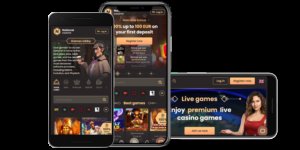
Mobile gaming’s influence doesn’t stop at solo or multiplayer titles. It’s part of a larger digital entertainment ecosystem that includes streaming, e‑sports, and virtual events. For those curious about how the gaming landscape intersects with other online experiences, the National casino offers a glimpse into how real‑money gaming platforms are adapting to the same mobile‑first mindset, blending familiar gameplay mechanics with regulated betting environments.
Future outlook: what to expect in the next five years
Looking ahead, three trends seem poised to deepen the cultural impact of mobile gaming in Australia. First, augmented reality (AR) is moving from novelty to utility; developers are already testing AR overlays that turn everyday streets into game maps, similar to the global “Pokémon GO” craze but with local wildlife identification. Second, the government’s upcoming “Digital Australia” policy aims to subsidise high‑speed data for rural households, which could halve the current gap between city and outback connectivity. Finally, AI‑driven personalization will allow games to adapt narratives on the fly, reflecting a player’s location, weather, or even mood captured via phone sensors. If these predictions hold, the average weekly playtime could climb to double‑digits, further cementing mobile gaming as a cornerstone of everyday Australian life.
Wrapping up
Understanding how mobile gaming shapes digital culture in Australia starts with a simple fact: a smartphone is now a cultural hub, not just a communication tool. From faster networks and locally‑flavoured content to new social rituals and economic ripple effects, the sector touches more aspects of life than most people realise. As the technology evolves, staying aware of both the opportunities and the pitfalls will help you, whether you’re a casual player, a parent, or a policymaker, navigate this vibrant digital landscape.