
The Nature of Luck in Gambling
Luck is often seen as a mystical force that plays a significant role in gambling, particularly in casino environments. Many players walk into a casino with the mindset that luck is what they need to win. This belief can be traced back to the unpredictable nature of games of chance, such as slots and roulette, where the outcome seems entirely random and beyond the player’s control. For those seeking a good time, 1win offers various options that add to the idea of luck creating an exhilarating atmosphere, as players hope that fortune will favor them and lead to substantial winnings.
While luck is certainly a part of the gambling experience, it is essential to understand that it operates within the framework of probability. Each game has its own house edge, which determines the likelihood of winning versus losing over time. This means that even if an individual player seems to have great luck in one session, it doesn’t change the underlying statistics that govern the games. Essentially, while luck can influence short-term outcomes, it does not have a lasting impact on the probabilities involved in the games.
The concept of luck can also be psychological. Players often gauge their luck based on previous experiences, creating a personal narrative of success or failure that influences their future decisions. This psychological aspect can lead players to chase losses, believing that their luck will eventually change in their favor. It is crucial for gamblers to recognize these patterns and remain grounded in reality, understanding that luck is just one piece of the puzzle in their gaming experience.
The Role of Skill in Casino Games
Unlike purely luck-based games, some casino games incorporate an element of skill that can significantly influence outcomes. For instance, poker is a game that blends chance and strategy, where skilled players can read opponents and make calculated decisions to maximize their chances of winning. This skill component can sometimes outweigh luck, as a more adept player is likely to fare better over time, regardless of the cards they are dealt. Understanding the nuances of such games can lead to a more enjoyable and potentially profitable experience.
In games like blackjack, knowledge of basic strategy can drastically affect a player’s outcome. By using tactics such as card counting or knowing when to hit or stand based on the dealer’s upcard, skilled players can shift the odds more in their favor. Such strategies highlight the importance of not just relying on luck but also honing one’s skills to navigate the complexities of the games. This dual perspective can encourage players to become more engaged and informed about the games they choose to play.

The interplay of luck and skill in casino games indicates that outcomes are not solely determined by random chance. Instead, players who invest time in learning strategies and understanding game mechanics can often mitigate the randomness of luck with their expertise. This balance between skill and luck can foster a more rewarding gambling experience, as players feel empowered to influence their results through their decisions and strategies.
The Impact of Casino Environment on Luck Perception
The environment of a casino can significantly influence how players perceive their luck. For instance, the design and atmosphere of a casino are crafted to evoke excitement and a sense of possibility. Bright lights, engaging sounds, and the thrill of seeing others win can create an almost palpable feeling of luck in the air. Players may feel more fortunate in a vibrant and lively setting, leading them to take greater risks or play longer than intended, believing that the ambiance is a harbinger of good fortune.
Additionally, social interactions within a casino can also impact perceptions of luck. Conversations with other players about their winnings can create a collective sense of positivity, reinforcing the belief that luck is on their side. These social dynamics can sometimes create a self-fulfilling prophecy where players become more optimistic and, as a result, make bolder gambling choices. However, it’s essential to approach these interactions with caution, as they can easily lead to overconfidence and reckless betting.
Moreover, promotional events or themed nights can further enhance the perception of luck within a casino. Casinos often sponsor tournaments or giveaways to entice players, fostering an atmosphere where tourists and regulars alike feel that luck is primed to strike. While these events can add excitement, they can also lead to unwise financial decisions if players buy into the notion that they are more likely to win during these times. Recognizing the influence of the casino environment can help players maintain a balanced perspective on their gaming experiences.
The Statistical Reality of Gambling
While luck and perception play vital roles in the gambling experience, it is crucial to acknowledge the statistical underpinning of casino games. Each game is designed with mathematical odds that dictate the likelihood of winning. For instance, in games like roulette, players are faced with a set percentage of risk tied to every bet they place. Understanding these odds can lead to more informed decision-making and promote responsible gambling practices.
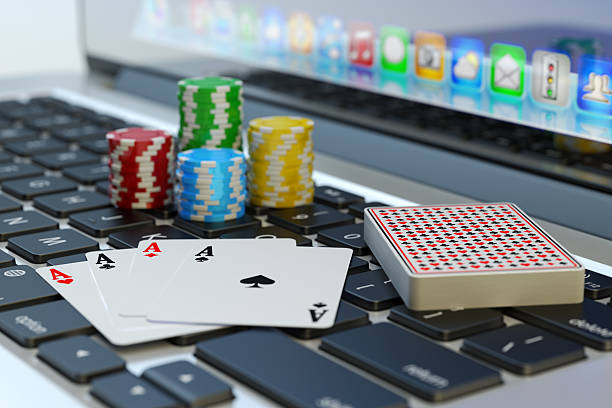
The house edge is a vital concept that underscores the statistical reality of gambling. It represents the casino’s built-in advantage over players, ensuring that, in the long run, the casino will always come out ahead. This factor can help players realize that despite their individual experiences of luck, the overall outcome is governed by statistical probability. Knowledge of the house edge allows players to make better choices regarding the games they play and the strategies they employ.
Players who grasp the statistical aspects of gambling may better appreciate the distinction between short-term luck and long-term outcomes. While an individual may experience short-lived winning streaks, understanding that these moments do not alter the fundamental probabilities can lead to more disciplined gambling behavior. This awareness can help players manage their bankroll effectively and recognize that luck is a fleeting experience rather than a long-term reliance.
Responsible Gaming and Managing Luck
As players navigate their casino experiences, it becomes increasingly important to emphasize responsible gaming practices. The allure of luck may encourage individuals to engage in excessive gambling, believing that their fortunes will change. By setting limits on time and money spent, players can enjoy the thrill of gambling without falling into traps created by the hope of luck. Responsible gaming is essential for ensuring that the excitement of the casino does not lead to negative consequences.
Moreover, understanding the role of luck in gambling can help individuals develop a healthier mindset. By recognizing that luck is unpredictable and that outcomes can vary widely, players can approach their gaming sessions with a more balanced perspective. This mindset can lead to more enjoyable experiences, as players manage their expectations and avoid the emotional rollercoaster typically associated with chasing wins.
Additionally, many casinos offer resources for responsible gaming, including self-exclusion programs and support for players struggling with gambling addiction. Utilizing these resources can empower players to take control of their gaming habits and prioritize their well-being. Ultimately, while luck may come and go, developing a strategy focused on responsible play and understanding personal limits is the key to enjoying the casino experience.