
The allure of chance and risk
The excitement surrounding casino games primarily stems from the thrill of chance. Players are drawn to the unpredictability that accompanies betting, creating an exhilarating experience. This feeling is often magnified in games where outcomes are immediate, such as slot machines and roulette. For those interested in quick payouts, the option of a visa fast withdrawal casino can enhance the overall gaming experience. The variance between winning and losing can lead to intense emotional responses, which may also invoke a sense of hope and possibility that keeps players coming back for more. This dynamic interplay between chance and risk can be captivating, as it taps into the human fascination with uncertainty and the potential for reward.
This draw towards risk is deeply rooted in human psychology. Many individuals possess a natural inclination toward gambling behaviors, propelled by the release of dopamine – a neurotransmitter associated with pleasure and reward. When a player wins, this «reward» sensation reinforces the behavior, making them more likely to gamble again. As a result, understanding this psychological response can shed light on why casinos design environments that amplify the thrill of uncertainty, appealing to a player’s desire for risk. The anticipation of a win creates a powerful emotional cycle that casino operators expertly exploit.
Moreover, the ‘gambler’s fallacy’ often plays a role in how individuals perceive their chances of winning. This cognitive bias leads them to believe that past outcomes will influence future events. For example, a player may feel that if a particular slot machine hasn’t paid out in a while, it is ‘due’ for a win, prompting them to keep playing longer than they initially intended. By catering to these faulty beliefs, casinos can effectively increase the duration of play and, consequently, their profit margins. This manipulation of perception is a key aspect of the gaming experience that keeps players engaged and hopeful.
Emotional connection and escapism
Casino games often provide an escape from reality, offering players a temporary reprieve from their everyday lives. The lively atmosphere, enticing sounds, and vibrant lights create an immersive environment that transports players into a different world. This sense of escapism can be particularly appealing to those dealing with stress or seeking thrill. Consequently, the act of playing becomes not just about winning money but also about seeking a refuge from one’s daily challenges. In this way, casinos become sanctuaries for individuals looking to momentarily disconnect from their responsibilities.
Furthermore, the emotional connection players establish with these games can lead to a strong sense of community. Many gamblers foster relationships with fellow players or staff, creating a social fabric that enhances their gaming experience. These interactions often lead to feelings of belonging and camaraderie, making visits to the casino about more than just the games; they become social events. This aspect of gaming psychology is crucial, as it transforms gambling into a multifaceted experience that fulfills emotional needs. The shared excitement and social interactions can deepen the connection to the gaming environment.
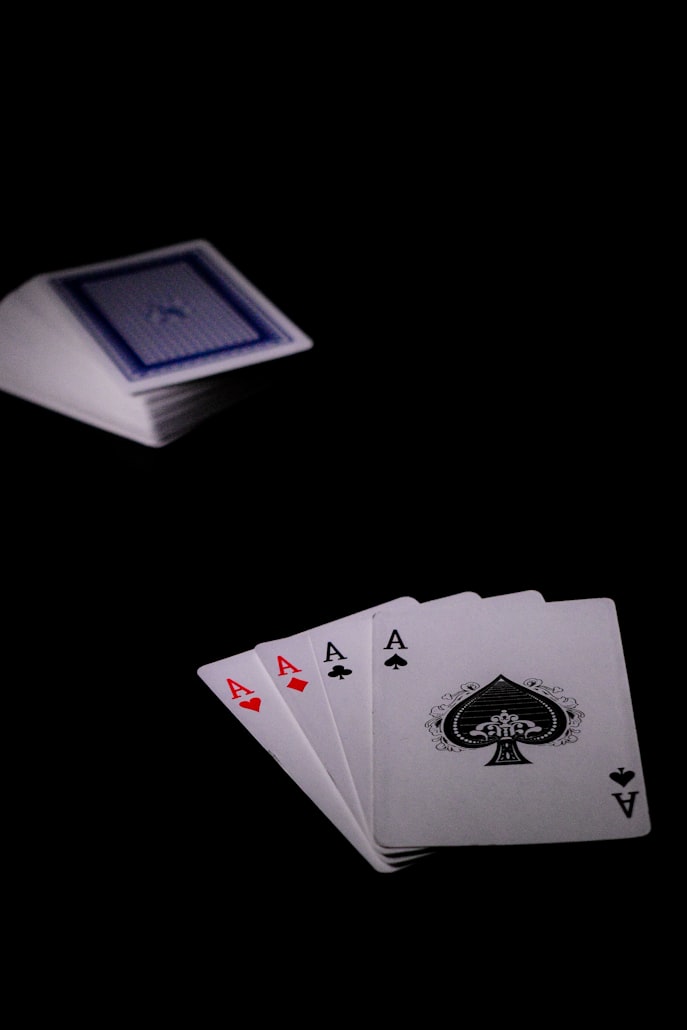
The power of emotional connections does not stop at social interactions. A favorite game or a lucky chair can evoke memories, fostering a deeper emotional tie that encourages repeated visits. For instance, a player might associate a particular slot machine with prior winnings or joyful experiences, thereby cultivating a sense of loyalty that casinos exploit to keep patrons engaged. These carefully crafted emotional triggers ensure that players are not just gambling; they are reliving memorable moments that compel them to return. The nostalgia and sentiment behind these experiences add layers to the psychological appeal of casino games.
The role of cognitive biases
Cognitive biases significantly influence how people approach casino games, affecting their decision-making processes. One common bias is the ‘near-miss effect,’ which occurs when players come close to winning but ultimately lose. This experience can be so emotionally charged that it compels players to continue their attempts in the hopes of finally achieving victory. Casinos utilize this phenomenon to enhance the gaming experience, often designing games that frequently showcase near-miss scenarios to encourage persistence among players. The psychological thrill of almost winning can be a powerful motivator to keep players engaged.
Another bias is loss aversion, where losses are felt more intensely than equivalent gains are experienced positively. This psychological effect can result in players doubling down after a loss in an attempt to recover their money, often leading to larger losses. Casinos are well aware of this bias and create strategies that capitalize on it, providing a steady stream of opportunities for players to chase their losses, which ultimately benefits the house. The emotional turmoil associated with loss can cloud judgment, leading players to make irrational decisions in hopes of overcoming their setbacks.
Moreover, confirmation bias also plays a role in how players interpret their gambling experiences. Players often seek information that supports their beliefs about luck or skill, disregarding evidence to the contrary. For instance, a player might ignore numerous losses on a particular game while remembering the occasional win as a sign that the game is favorable. Such psychological tendencies encourage continuous play, allowing casinos to profit from the misplaced confidence of their patrons. By reinforcing their beliefs, players may unknowingly sabotage their own financial stability while feeding the casino’s profits.
Designing the perfect environment
Casino designers leverage psychological principles to create environments that maximize player engagement. Factors such as lighting, sound, and layout are meticulously planned to enhance the overall gaming experience. For instance, bright lights and sound effects can amplify excitement during gameplay, making winning feel euphoric. Casinos also tend to avoid clocks and windows, providing players with a sense of timelessness that encourages them to remain engaged for longer periods. This sensory manipulation creates an environment where players lose track of time and become absorbed in their gaming experience.
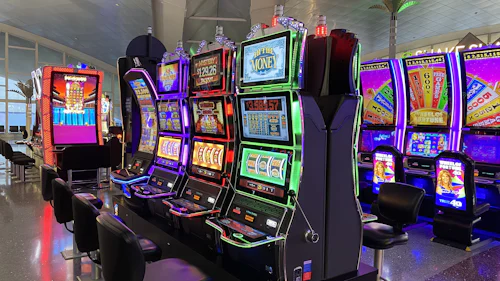
Additionally, the layout of a casino is crafted to promote movement and exploration. The strategic placement of games ensures that players are continually drawn to new machines or tables, increasing exposure and potentially prolonging playtime. By creating a maze-like environment, casinos can keep players intrigued, fostering a sense of adventure that can prolong their stay and spending. This carefully orchestrated design maximizes opportunities for interaction and keeps players circulating within the casino, enhancing their overall experience.
Comfort is also a key consideration—casinos offer free drinks, plush seating, and an overall inviting atmosphere to encourage longer play. By ensuring players feel comfortable and relaxed, casinos can create a space where patrons willingly lose track of time. This careful orchestration of sensory experiences not only enhances enjoyment but also amplifies the likelihood of increased spending, making it a fundamental aspect of casino psychology. The combination of comfort and excitement results in an environment where players feel compelled to remain, often leading to extended gaming sessions.
Understanding our website’s role in the gaming landscape
At our website, we aim to provide insights into the intricate psychology of casino gaming. Understanding the mental triggers and emotional responses behind these games can empower players to make informed choices. By exploring topics like cognitive biases and the immersive nature of gaming environments, we seek to foster a deeper understanding of why we are drawn to casinos and the impact this has on our behavior. Our mission is to clarify the complexities of the gaming experience and to help individuals navigate it wisely.
Our platform serves as a resource for both casual and seasoned players, offering valuable information on responsible gaming, strategies for managing emotions during play, and insights into the latest industry trends. We believe that by shedding light on the psychological components of gambling, we can help players engage with these games in a healthier and more balanced manner. This knowledge can serve as a guide for players who wish to enjoy the thrill of gaming while maintaining control over their gambling habits.
Ultimately, our website encourages a conversation surrounding the psychology of casino games, aiming to demystify the allure while promoting responsible habits. We aspire to be a trusted source for individuals seeking knowledge in this thrilling landscape, enhancing the overall gaming experience while prioritizing well-being in a complex and often captivating environment. By fostering awareness, we hope to contribute positively to the gaming community and help players enjoy their experiences safely and responsibly.